Mararikulam, Alappuzha +91 6282758788
Ancient Martial Art

Classes & Training

Structured Kalaripayattu programs for all levels — from foundation body conditioning to advanced weapon mastery.

Gurukula System

Authentic Training

At Marari MVG CVN Kalari, training is conducted in the traditional Gurukula style. Students learn under the direct supervision of Brejesh S. Gurukkal, ensuring that the essence of Kalaripayattu is preserved.

Class Timings

  • 6:30 AM – 8:00 AM
Training at Kalari

Stages of Kalari Training

The word "Kalarippayattu" signifies rigorous physical training, self-defense techniques, and a spiritual discipline tied to the land's martial heritage. The journey emphasis discipline and devotion through four systematic stages.

1. Meythari (Body Control)

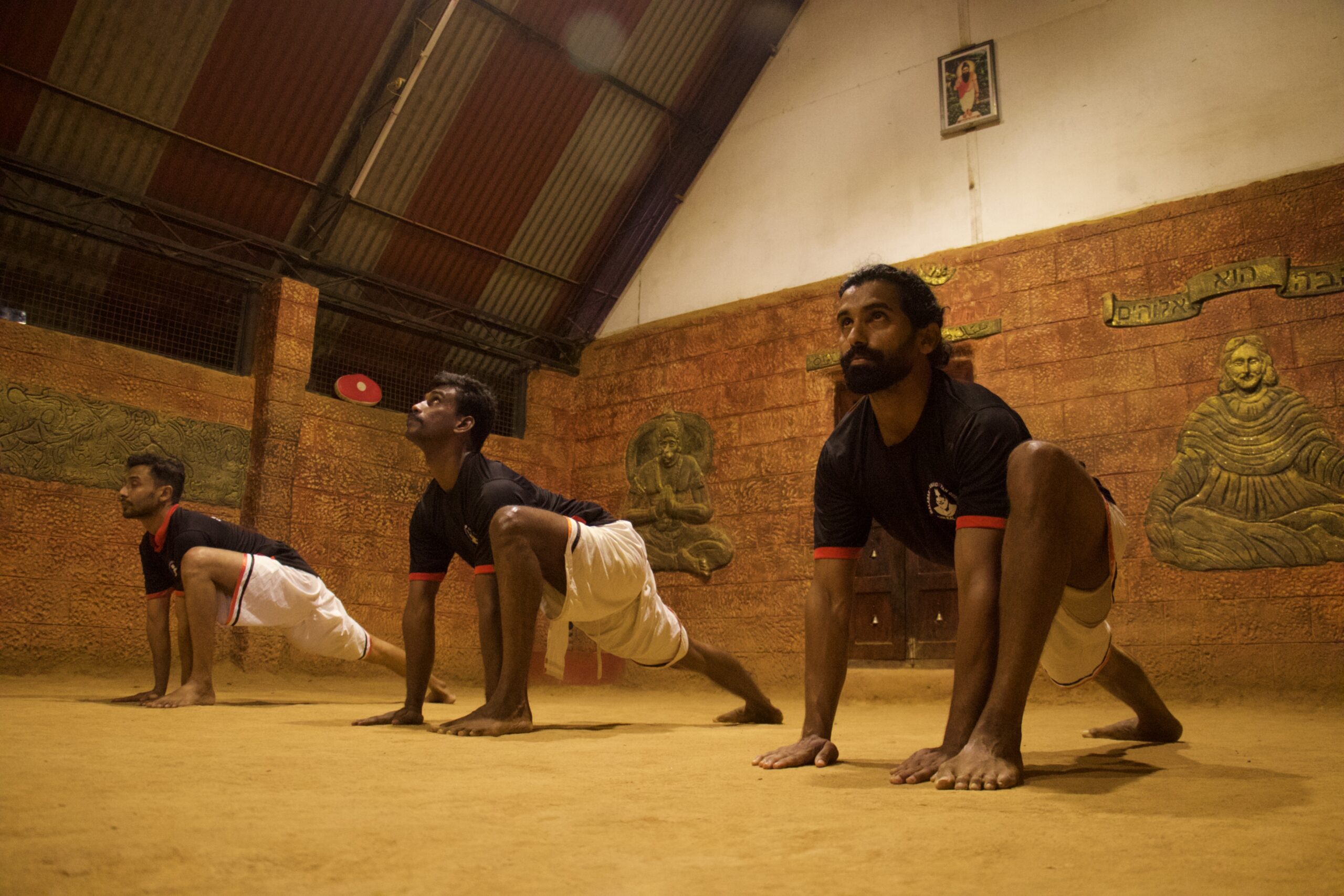
Meythari is the foundational stage of training. “Mey” meaning body and “Thari” meaning control. It prepares the practitioner’s body and mind through flexibility, strength, endurance, and precise body coordination.

  • Leg movements (Kaal prayogangal): Dynamic, controlled leg movements.
  • Basic Stances (Vadivu): Eight primary animal-inspired stances like Gaja (Elephant), Simha (Lion), and Ashwa (Horse).
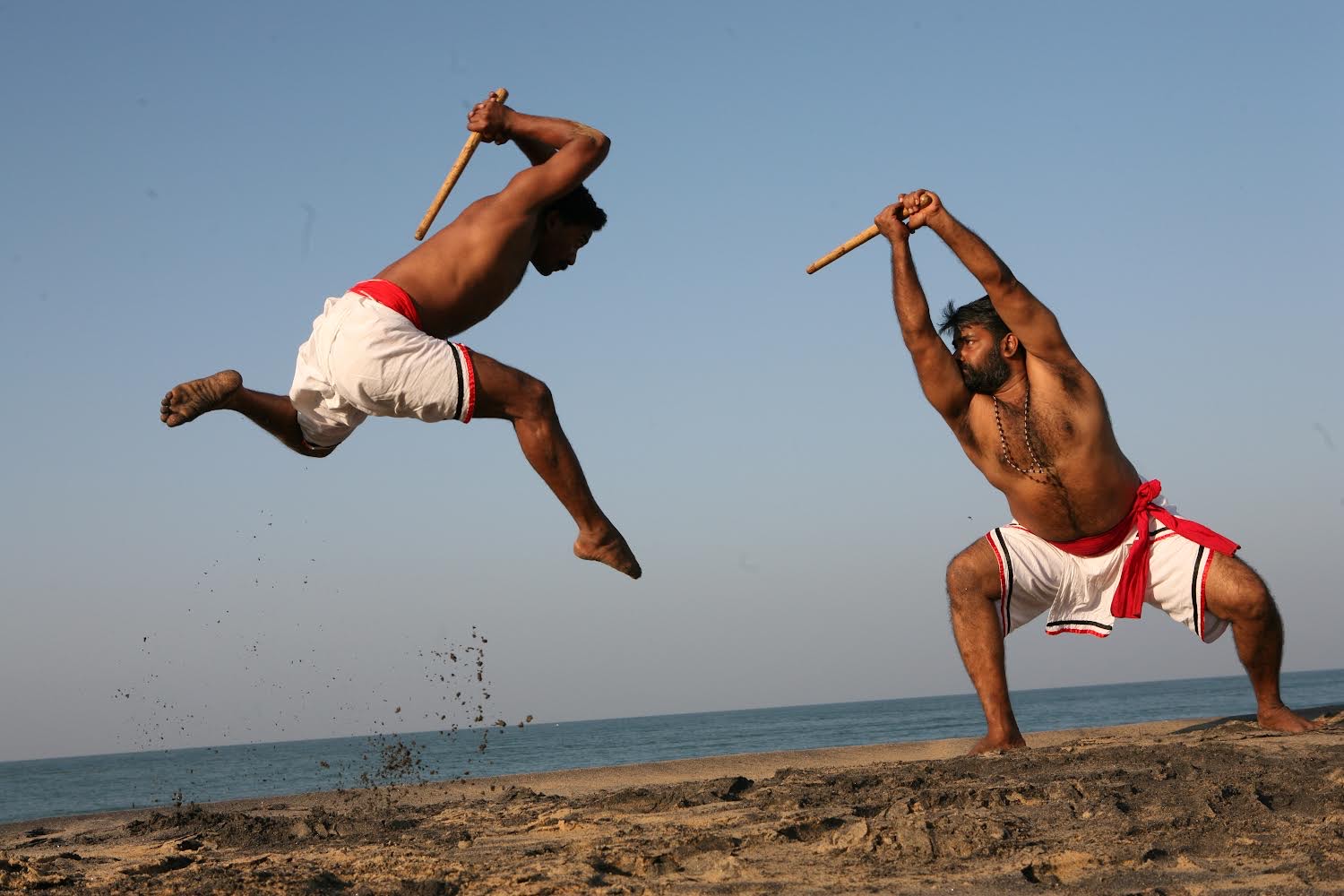
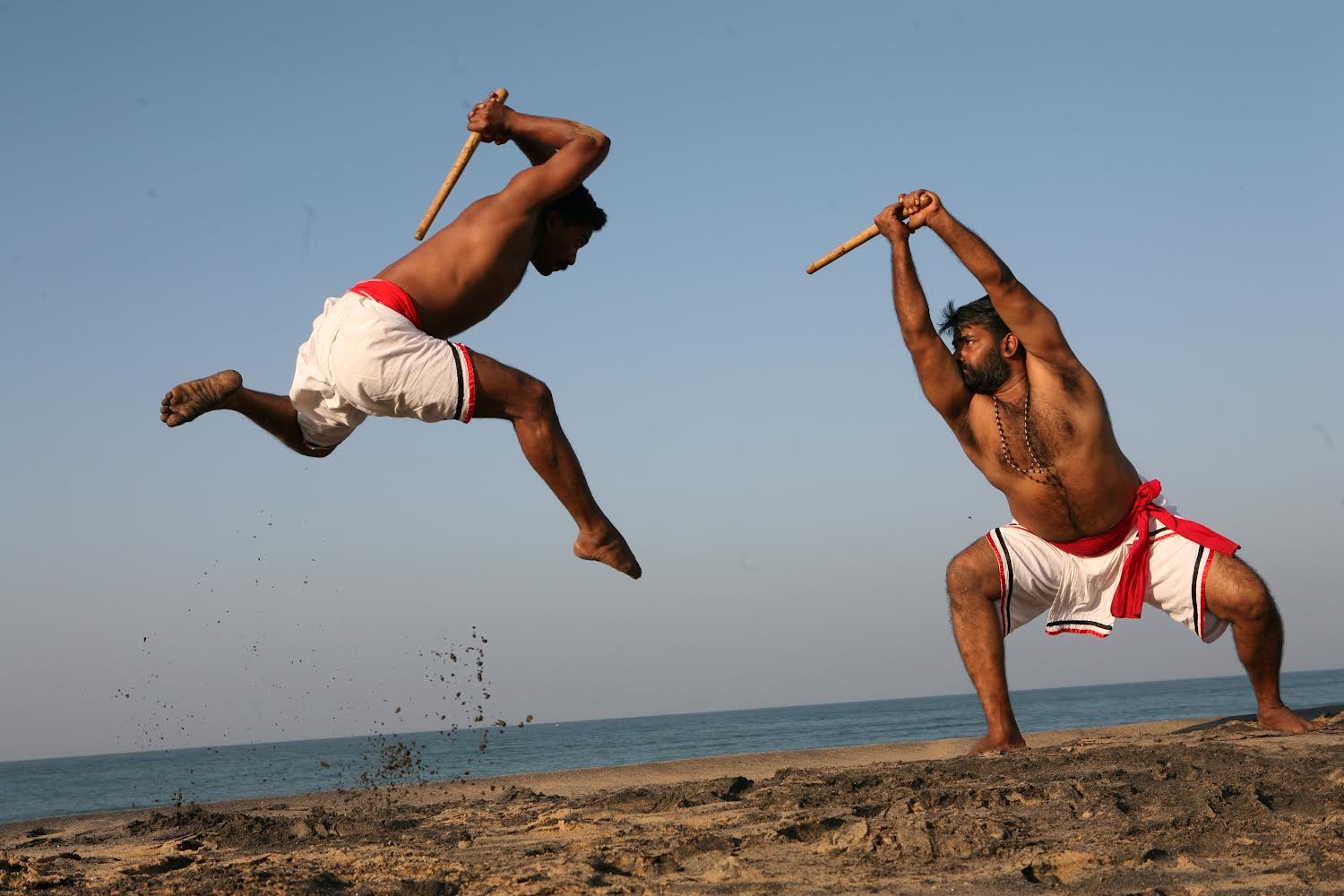
  • Jumping Techniques & Meyppayattu: Building agility and mastering aerial manoeuvres with rhythmic body control.
1. Meythari (Body Control)

Mind & Body Unity

Activates the proprioceptive system, ensuring exact neural-muscular coordination and building cardiovascular endurance.

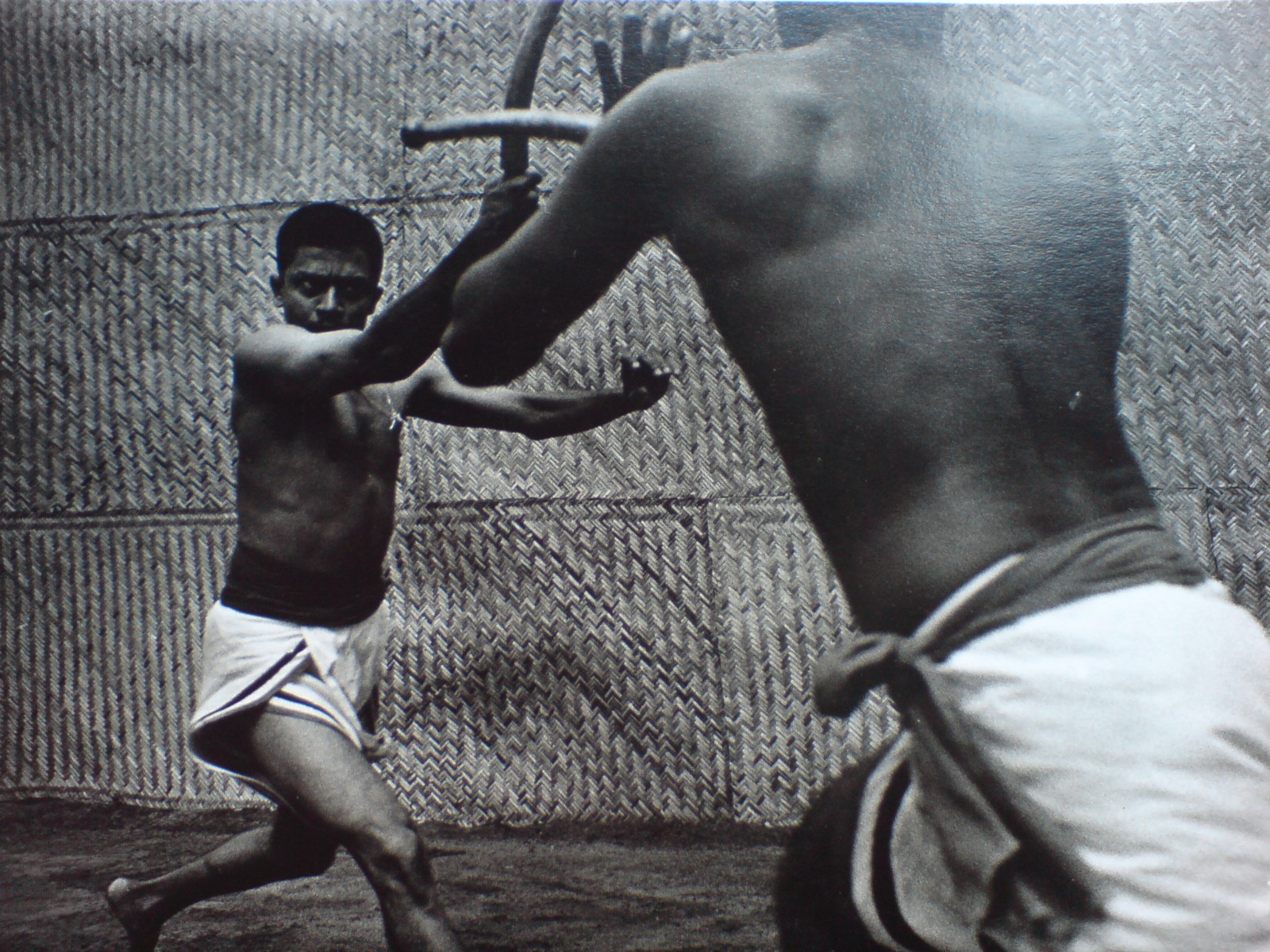
2. Kolthari (Wooden Weapons)

After achieving a certain level of proficiency in body control, the student is introduced to the Kettukari (long staff), made of cane or rattan wood.

The training begins with basic strikes and blocks, advancing to complex combinations involving spins, sweeps, and counters. It prepares students for more advanced weapons like the Cheruvadi (short stick) and Otta (curved stick).

2. Kolthari (Wooden Weapons)

Weapon Foundation

Enhances hand-eye coordination and introduces the principles of range, timing, and combative footwork.

3. Ankathari (Metal Weapons)

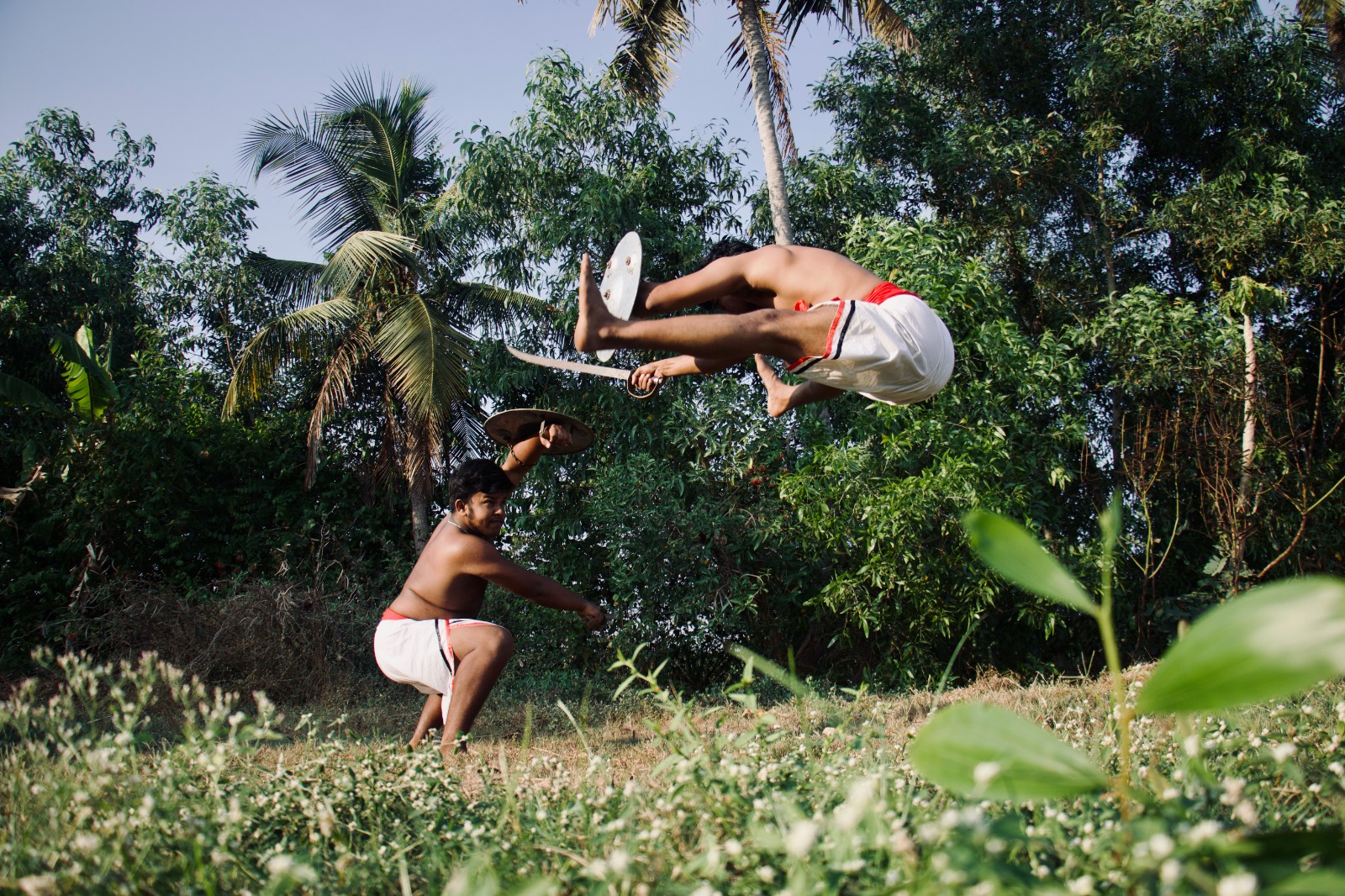
Ankathari represents the advanced stage where martial skill, discipline, and profound responsibility converge. Practitioners use real metal weapons.

Weapons include the Kathi (dagger), Valum Parichayum (sword and shield), Gada (mace), Kuntham (spear), and Urumi (flexible sword).

3. Ankathari (Metal Weapons)

Lethal Precision

Develops timing, distance awareness, and the knowledge of Marma points using authentic metal weapons.

4. Verumkai Murakal (Unarmed)

The unarmed combat system taught after mastering the core disciplines. Translating to “empty hand techniques,” it requires immense speed and awareness of the opponent’s body.

  • Adithada: Punches, palm strikes, and kicks.
  • Grappling: Joint locks, throws, and ground control.
  • Marma Attacks: Techniques explicitly targeting vital energy points.
4. Verumkai Murakal (Unarmed)

Complete Mastery

The highest practical level combining strikes, locks, grappling, and targeting vital points.

Rituals & Spiritual Discipline

The psychological and energetic grounding behind Kalari worship.

Focus & Mental Discipline

Bowing before deities reinforces humility, an act that stimulates the prefrontal cortex aiding in mindfulness and self-regulation.

Energy Alignment (Prana)

The Poothara (altar) focuses divine energy. Rituals harmonize the life force, aligning it with the practitioner's physical movements.

Collective Energy

Worship amplifies unified atmosphere and creates a sense of communal purpose, balancing a warrior's ego with essential respect.